Chinese attracts learners of every age. Children begin because parents want them to keep a family language or to gain an early advantage, and adults come for work, travel, culture or curiosity. Yet many students quit after a few months because characters look impossible or lessons feel disconnected from life. Courses that really work share several features: a clear path, enjoyable practice, steady review and a teacher who adapts to the learner. This article explains how to choose and use Chinese courses for children and adults, and what to expect at each stage.
Start With the Spoken Language
Mandarin has four tones, and pronunciation is the foundation of understanding. Good courses begin with sounds, pinyin and common phrases before moving to many characters. Learners who speak early gain confidence and a better ear. Listening practice with native speakers is essential.
Tones are not a decoration, they carry meaning, so correct them kindly and early before bad habits settle.
Characters Made Friendly
Characters are built from smaller parts, and learning these components makes memory easier. Teachers use stories, pictures, games and writing practice. Children enjoy tracing and building characters, while adults often like understanding patterns. Learn a small number of useful characters at first, then expand steadily.
Regular short writing sessions are more effective than rare long ones.
Courses for Children
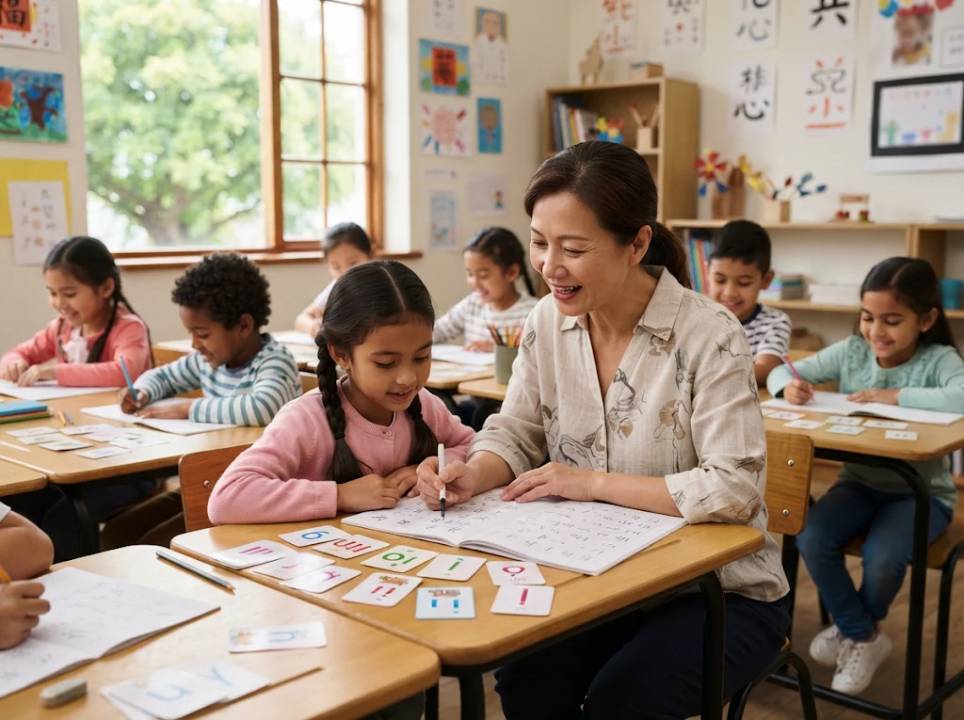
Young learners need movement, songs, games and short activities. Lessons of thirty to forty-five minutes work best, with repetition of the same ideas in different forms. Parents can help by listening to songs together, reading simple books and celebrating progress. Avoid pressure, and keep the experience joyful.
Children who hear Chinese regularly pick up sounds with surprising ease.
Courses for Adults
Adults bring analytical skills and clear goals. They benefit from structured grammar explanations, practical dialogues and homework that fits busy schedules. Business learners need vocabulary for meetings and emails, while travelers need survival phrases. Small groups or private lessons provide more speaking time.
Set realistic goals, such as holding a ten minute conversation after six months.
Measuring Progress With Standards
Standard tests give learners goals and employers a common reference. The HSK proficiency test has several levels that describe vocabulary and skills from beginner to advanced. Teachers can use these levels to plan courses and track results, though real communication matters more than scores.
Choose a course that explains how its levels relate to recognized standards.
Listening and Audio Practice
Audio materials train the ear and help with tones. Recordings of dialogues, songs and stories can be used on commutes. Teachers who record their lessons or create audio files can also provide transcripts to support reading. Our article on audio lesson transcription explains how audio content is prepared for text and subtitles.
Replay short clips several times and repeat aloud.
Documents and Official Needs
Families who move between countries often need school records, certificates and forms in both languages, so students can enroll in classes or exams. Schools and parents may need Chinese translation for school documents such as transcripts and enrollment letters. A professional translator will use correct names and terms for institutions and grades.
Keep digital and printed copies of all translated documents.
Culture Makes Language Stay
Festivals, food, calligraphy, music and stories give context to words. Celebrate the Lunar New Year, cook simple dishes and visit cultural events. Cultural knowledge helps learners understand politeness, humor and values. It also keeps motivation alive.
Language and culture grow together, and children especially enjoy learning through traditions.
Choosing a Good Teacher or School
Look for teachers who speak clearly, explain patiently and plan lessons with goals. Ask for a trial class, check materials and learn how the school measures progress. For children, safety, class size and teacher experience with young learners are essential. For adults, flexible schedules and online options matter. Read reviews and talk to current students and parents before enrolling.
A good match between teacher and learner is worth more than any famous textbook.
Daily Habits That Help
Ten to fifteen minutes of daily practice beats a single long weekly session. Use flashcards, short podcasts, children's songs and chat with a language partner. Label objects at home with characters and pinyin. Review old material every week to keep it fresh.
Create a simple chart to track days of practice and celebrate streaks.
Common Mistakes to Avoid
Typical problems include skipping tones, memorizing characters without context, relying only on apps, avoiding speaking and expecting fast results. Others change materials every week and never finish a course. Choose a plan, follow it for several months and adjust only when needed.
Consistency and kindness toward yourself are the most reliable teachers.
Supporting Learners at Home
Parents do not need to speak Chinese to help. Create a regular time for practice, show interest in what the child learned, ask them to teach you a new word and provide books, songs and videos in the language. Praise effort rather than perfection, and connect with other families to organize playdates in Chinese. Adults can ask family and friends to practice short conversations or set up a weekly call with a language partner.
A supportive environment keeps motivation strong through the difficult months.
Online or In Person
Online lessons offer flexibility, recorded sessions and access to teachers from many places. In-person classes provide social contact, easier correction of writing and a break from screens. Combine both when possible. Check technology in advance, and choose a quiet space with a good microphone for online sessions.
Whatever the format, make sure the teacher gives regular feedback and clear homework.
Looking Ahead
After the first year, learners can read simple texts and hold everyday conversations. Next steps include reading stories, watching films with subtitles, writing short messages and preparing for exams. Many students then travel, study or work in Chinese-speaking regions and find that the effort opens doors in careers and friendships.
Keep goals fresh by setting a new target every few months.
Reading and Writing Practice
After the first months, add short reading texts and simple writing tasks. Children can read picture books and copy characters in a notebook. Adults can read news summaries and write messages to friends. Always check new characters against a reliable dictionary, and review them often.
A weekly writing task, even three sentences, builds memory and confidence.
Cultural Activities for Students
Calligraphy, paper cutting, folk songs, tea tasting and festival crafts make lessons memorable. Invite parents to open classes, and let students perform simple songs or poems. Cultural events build pride and a sense of community among learners.
Learning feels lighter when it includes music, food and play.